Infolinks In Text Ads

Infolinks In Text Ads

How To Taste Wine Like A Professional

Friday, December 19, 2008

by: Ken Finnigan

To many people the sight of a man or woman in a restaurant or bar sniffing and swirling a glass of wine before ultimately tasting it and relaying their satisfaction to the server can seem rather pretentious. However, this is actually the best way to get the most from your bottle of wine; to see, smell and taste every aspect. Whether it is an expensive box of wine or a prize winning bottle of Merlot, to truly appreciate a bottle of wine it is important to learn how to correctly taste wine.
The most important thing to keep in mind when tasting a wine is to be sure to use your senses. Enjoying a glass of wine is not simply about drinking and noting the taste, but about inspecting all aspects of the wine.
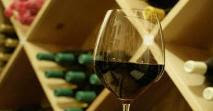
Colour is very important in wine which is why people are often seen holding a glass of wine up to the light before drinking it. As wine ages the color of the wine changes. Red wines in general begin as a very dark red or purple color. Over time, red wines tend to fade from this dark shade to a garnet and finally a brick red. At first this color change might only be noticed around the rim of a wine, but over the years the entire wine will fade. White wine on the other hand tends to darken with age. White wines usually start out straw or lemon in color and age to dark amber.
Why is the color of a wine so important to inspect? The color of a bottle of wine with respect to it’s age can be an important key in determining if a bottle of wine has been manufactured poorly. For example, if a one-year-old bottle of Sauvignon Blanc is already a very dark, deep amber color when the bottle is first opened, this could signify that the bottle has not been manufactured and processed correctly causing the wine to age prematurely and not taste it’s best. The same can be said for red wines, if a young bottle of Merlot is already a brick red or brown color when opened, chances are good their was a problem with the bottle and it will not have optimal taste.
Some in the wine community still think it is important to inspect the legs of a glass of wine. “Legs” is a term used to describe the oily wine beads that are on the sides of a glass after it has been swirled around. Many used to think that these legs were a sign of high alcohol or sugar content giving a better quality of wine, and while this might be true in a variety of cases, nowadays most people prefer to use taste as a better method of assessing quality.
T he best way to release the aromas of a glass of wine is to swirl it for a few moments. Swirling helps to agitate the wine and allows more oxygen to have contact with the wine, which in turn releases aromas. It is important to smell a glass of wine before drinking to ensure that the wine smells healthy. A wine should never smell moldy, stale, oxidized, or vinegary in any way.
Aside from checking if a wine smells healthy, swirling a glass of wine is also a great way to be able to smell the primary and/or secondary aromas. Primary aromas are usually found in younger wines, and usually are fruit related, such as orange, raspberry and cherry. Older wines take on secondary aromas, which are earthier. Sometimes wines are said to have an oak, musk or butter flavor, which all are considered secondary aromas.
Finally there is using your palate and tasting the wine. Does the wine taste fruity or earthy? Is it sweet or dry? What kind of texture does it have; thin, buttery, rich? How long did the flavor last after it the wine was swallowed? A wine that lingers is a sign of a good quality wine, but it also means the flavor can be enjoyed longer.
Now that the basics of wine tasting have been revealed, the next time you order a bottle of wine, don’t be embarrassed to sniff it, swirl it and taste it like a professional.

Read more...

4 Easy Steps to Wine Tasting

by: Jennifer de Jong

 image Legend has it that Cleopatra once promised Marc Anthony she would "drink the value of a province" in one cup of wine, after which she drank an expensive pearl with a cup of wine. Marilyn Monroe is rumored to have bathed in a bathtub of champagne. The lure of wine is cross-cultural and going strong. Enjoying wine, once surrounded by pomp and circumstance, is now something that many of us do on a daily basis to enjoy food, friends, and family. There is no reason each experience shouldn't be as exceptional as taking a bath in Champagne. Knowing a few simple tips about tasting wine can enhance your wine experience by leaps and bounds and easily transition you from a wine lover to a wine expert.
STEP 1 - LOOKING
Fill the glass about one-third full, never more than half-full. Pick it up by the stem. This may feel awkward at first, but there are good reasons: Holding the glass by its bowl hides the liquid from view; fingerprints blur its color; the heat of your hand alters the wine's temperature. Wine experts can usually tell right away how much a person knows about wine by looking at the way they hold their glass.
Focus on the hue, intensity and clarity of the wine color. The true color, or hue, of the wine is best judged by tilting the glass and looking at the wine through the rim, to see the variation from the deepest part of the liquid to its edges. Intensity can best be gauged looking straight down through the wine from above. Clarity-whether the wine is brilliant, or cloudy with particles-is most evident when light is shining sideways through the glass.
STEP 2 - SWIRLING
Next comes the swirling. This too can feel unnatural, even dangerous if your glass it too full and your carpet or clothing is new. But besides stirring up the full range of colors, it lets the wine breathe a little and releases some of the aroma for examination. The easiest way to swirl is to rest the base of the glass on a table, hold the stem between thumb and forefinger, and gently rotate the wrist. Right-handers will find a counter-clockwise motion easiest, left-handers the reverse.
Move the glass until the wine is dancing, climbing nearly to the rim. Then stop. As the liquid settles back into the bottom of the glass, a transparent film will appear on the inside of the bowl, known as the wine's "tears" or "legs." You will often hear people pondering about the legs or showing them off, "Hey look at the legs on this wine!", but in truth they're simply an indication of the amount of alcohol in the wine: the more alcohol, the more tears or legs.
STEP 3 - SMELLING
When you stop swirling, and the legs are falling, it's time to take the next step: smelling. Swirling the wine vaporizes it, and the thin sheet of liquid on the sides of the glass evaporates rapidly; the result is an intensification of the aromas. I'm sure you've seen wine snobs do this and you have laughed at them, but stick your nose right into the bowl and inhale.
There's no consensus about the proper sniffing technique. Some advocate two or three quick inhalations; others prefer one deep, sharp sniff. I've seen tasters close one nostril, sniff, then close the other and sniff again. It really doesn't matter how you do it as long as you get a good sniff in. With practice, and keen attention, you'll learn how to maximize your perception of aromas, and then how to decipher them.
The world of smell is vast and bewildering. First of all, our olfactory equipment is incredibly sensitive; we can distinguish aromas in quantities so small that laboratory equipment can scarcely measure them. Second, our analytic capacity is extraordinary; estimates of the number of different smells humans can identify range up to 10,000!
As with color, wine's aromas offer insights into character, origin and history. Because our actual sense of taste is limited to four simple categories (the well-known sweet, sour, bitter and salt), aroma is the most revealing aspect of our examination. But don't simply sniff for clues. Revel in the sensation. Scientists say smells have direct access to the brain, connecting immediately to memory and emotion. Like a lover's perfume, or the scent of cookies from childhood, wine's aromas can evoke a specific place and time with uncanny power.
STEP 4 - TASTING
With the aromas still reverberating through your senses, put the glass to your lips and take some liquid in. How much? You need to have enough volume to work it all around your tasting apparatus, but not so much that you're forced to swallow right away.
Because you don't want to swallow, not just yet. It takes time and effort to force the wine to divulge its secrets. I keep a pleasant wine in my mouth for 10 to 15 seconds, sometimes more.
Roll the wine all around your mouth, bringing it into contact with every part, because each decodes a different aspect of the liquid. Wine provokes sensations, too: The astringency of tannins is most perceptible on the inner cheeks; the heat of the alcohol burns in the back of the throat.
First, as you hold the wine in your mouth, purse your lips and inhale gently through them. This creates a bubbling noise children find immensely amusing. It also accelerates vaporization, intensifying the aromas. Second, chew the wine vigorously, sloshing it around in your mouth, to draw every last nuance of flavor from the wine.
Don't forget the finish. After you swallow, exhale gently and slowly through both your nose and mouth. The retro-nasal passage, which connects the throat and the nose, is another avenue for aromas, which can linger long after the wine is finally swallowed. You'll find that the better the wine, the more complex, profound and long-lasting these residual aromas can be. With great wines, sensitive tasters and minimal distractions, the finish can last a minute or more. It's a moment of meditation and communion that no other beverage can create.

Read more...

The Art of Tasting Wine

by: Jennie Wills

There is a lot of finesse and etiquette involved when it comes to tasting wine, but this is no reason to be intimidated and run away! Tasting wine is where all the fun begins.

Smelling, sipping, tasting, and drinking! The etiquette in wine tasting exists because taste is entirely affected by smell. Wine has so much to offer our taste buds, so in order to get the whole experience a short ritual must first occur.

1. Color - Take a look. View the wine, examine its color. Each varietal will show similar variances of color so this will be your first clue in determining the right grape. For a sommelier or avid wine junkie, this step can paint a larger picture about the varietal, region, and age of the wine in question while even prepare the participant for what to expect. As an amateur however take a mental picture, admire the beauty the wine beholds and prepare to taste!

2. Swirl – I am quite sure you have seen diners swirling their glasses of wine at least somewhere once. This step is integral to the art of smelling as swirling acts as a catalyst in releasing the wine’s bouquet. A bouquet refers to the overall smell of the wine, and is also known as “the nose”. After a bottle is opened and poured it requires oxygen in order to develop into the treasure it was meant to be. Swirling encourages aeration, allowing more oxygen to get into the wine and release the bouquet. So get swirling!

3. Smell – This step is critical in tasting wine as our sense of taste is good, however our sense of smell is much better, in fact on average a person can smell over 2000 various scents! What we smell also affects what we taste so it is important to take the time to smell the wine before you taste. You will begin to notice many different scents that may be hard to differentiate at first. Try opening a few different bottles of white varietals or red varietals and smell each. Notice the differences between them. Does it smell like a particular fruit or spice? Does is smell burnt or like tar? Maybe it smells woody or nutty? By practicing you will be better able to determine different characteristics in the wine and of course be able to determine the varietal right away.

The last and equally important part about smelling wine is to identify whether the wine is “off” or in other words bad. Wine, like most everything, is not perfect all of the time. A nose that reflects the dank smell of a moldy cellar is a sure sign of a “corked wine”. This is the most common fault found in wine caused by a contaminant called TCA which is found mostly in corks but can also reside in wood barrels, walls, and beams. Unfortunately this ugly little impurity can cause a lot of damage. So use your senses to detect corked wine, and take your damaged bottle back to where you bought it for a refund!

4. Taste – This is not a cue for drinking! This simply means to take a sip and hold it on the palate for at least a few moments. We have thousands of taste buds all over the mouth so it makes sense to allow the wine to find almost all of them! Move the wine all around the mouth so that it reaches your cheeks and throat. Notice how your taste buds react to the substance. While tasting the wine, consider the following to help determine characteristics.

Sour/Tart: This is determined at the edges of the tongue and back of throat usually signaling acidity.

Sweet: You will experience this taste immediately if there is any residual sugar in the wine as sweetness is determined on the tip of the tongue.

Bitter: This taste is determined at the back of the tongue.

Weight: Felt in the middle of the tongue and around the gums. Light or full?

Tannin: Very astringent sensation felt throughout the mouth especially the gums and teeth. It often coats the taste buds making fruit difficult to detect.

The Finish

Whether you decide to swallow or spit out your taster, be sure to take a little time to review your entire experience with this wine. Really process the journey in order to secure its’ story into your mental records. Ask yourself a few questions and take some tasting notes if you like: What did this wine show you? Did you enjoy it? What did you like/dislike about it? Was it well balanced? A well balanced wine is not too much of any one taste, flavor, or sensation; it’s just right!

It is also wise to pay attention to how long its’ presence lasts in your mouth. This is known as the length of the wine. A great wine can last for several minutes!

Like any sport or hobby, practice makes perfect; the more you taste the more knowledge you’ll gain on this quenching subject.

Read more...

How to Begin Wine Collecting

by: Dakota Caudilla

Some people collect wine for money…and some people collect wine because they have a passion for wine. Irregardless of whether you’re collecting wine for profit or for pleasure, collecting wine requires some investment. Enjoying wine is a completely different thing from collecting wine, bear this in mind.

When it comes to collecting wine, one of the most important thing to consider is where you’re going to keep the wine. A substantial portion of your investment towards your wine collection hobby is in ensuring that there’s a suitable place to store your wine. The motive is to ensure that the wine collection will increase in value, not decrease. Believe it or not, the storage and the way the wine is kept make a world of difference.

Wine that is kept, collected and protected in suitable condition will age nicely and will turn into vintage wines. However, if your wine collection is not properly cared for, well, you’ll know. The quality of the wine collection will deteriorate and a wine expert will be able to tell that your wine has been ill-treated.

First of all, do extensive research on the many different types of wines there are in the market. Some wines are meant to be kept and stored over a long period of time, some are not. Books on wine collection should be bought and if you’re at all serious about wine collection, spend some time reading through them and understand the different types of wines and the way that they should be kept. If keeping and reading books on wine is not your ‘glass of wine’, you can do your research on the internet. Either way, there’s a wealth of information on wine that you can find. Explore, absorb and remember.

Once you understand the way each type of wine should be kept, it’s time for you to design and construct the place where your wine is to be kept. This depends on the kind of wine you intend to keep there, of course.

And after you’ve built your wine ‘cellar’ (bear in mind, sometimes, wine cellars are not necessarily built in cellars), you should start purchasing wine; wine that you like. One basic thing to remember is that wine is differentiated with the provenance of the vintage. The better the storage, the better the quality. The better the quality, the higher the price. Before you buy wine, ask the seller for an authentic certificate. This may sound so trivial but it’s important if you want to know and be sure that you’re purchasing high quality wine. This is especially important if you’re making a bulk purchase of the wine.

In collecting wine, you would want to strive for a balance between New Age wine from Australia and Chile and with Old World Wine from Europe. Bear in mind that ready-to-drink wine is not suitable for long-term safekeeping. Dessert wine is also best opened and consumed within a short period of time. Know the difference before you start collecting wine.

Read more...

Red Wine and White Wine

by: Tracy Crowe

I have been wondering about the difference between red wines and white wines. To me, they taste quite different. Red wines are heavier and more complex than white wine, and often tend to be less sweet. Why is this? Actually red and white wines are made quite differently. The differences between red and white wines include the kinds of grapes used, the fermentation and aging process, and the character and flavor of the wine.
White wines are almost always made from white grapes, although they can be made from black grapes, since the juice in most black grapes is clear. When white wine is made, the skins of the grapes are separated from the juice when they are put into a crushing machine. Then yeast is added to the juice for fermentation, until the juice becomes white wine. After filtering etc, the wine is aged by storing it in stainless steel or occasionally oak containers and bottled after a few months. White wines, then, are made without skins or seeds and are essentially fermented grape juice. They have a light character and have crisp fruit flavors and aromas. They can be sweet or dry or somewhere in between. Chardonnay, Pinot Grigio/ Pinot Gris, Riesling, and Sauvignon Blanc are all white wines.
Red wine is usually made from red or black grapes, although all the kinds of grapes usually have a clear juice. The process of making red wine is different from the one of making white wine. After the grapes have been in the crushing machine, the red grapes with their skins and everything sit in a fermentation vat for a period of time, typically about one to two weeks. . The skins tend to rise to the surface of the mixture and form a layer on top. The winemaker frequently mixes this layer back into the fermenting juice (which is called must). After fermentation is over, the new wine is taken from the vat. A little "free run" juice is allowed to pour and the rest of the must is squeezed into "press wine". The wine is clarified and then is stored, usually in oak containers, for several months until it is ready to be bottled. The oak containers add additional wood tannins and flavors to the wine which help to intensify it and add richness to it. The result of this process is that red wines exhibit a set of rich flavors with spicy, herby, and even meaty characteristics. Beaujolais, Cabernet Sauvignon, Chianti, Merlot, Pinot Noir and Zinfandel are all red wines.
The main difference between red and white wines is the amount of tannins they have. Since tannins largely come from the grape skins, red wines have more of them than white wines. Red wine acquires it's tannins in the process of maceration (leaving juice to mix together with the skin, seeds and woody bits). It is the tannins and skins of the red grapes which are released into the wine that contribute to the deep color and flavor of red wine. Tannins have a slightly bitter taste and create a dry puckery sensation in the mouth and in the back of the throat; and often lend a wonderful complexity to red wine. They also help preserve the wine. This is why red wines are usually aged longer than white wines.
There are as many different flavor profiles among red wines as there are among white ones. Some red wines are sweet and fruity, while some whites ( such as Chardonnay) have tannins from being stored in oak containers. Some German white wines have lasted for centuries, while some red wines are made for immeadiate consumption. For wines meant for consumption right away the winemaker takes out the bitter tannins, creating a fruity, fresh, and approachable wine. So, apart from the color, there are no hard and fast rules about the differences between red and white wine.
Is it true that red wine is better for you? The research of Dr Frankel has shown that red wine contains more antioxidants than white wine, although the total amount varies according to the variety of grape, region it was grown, the climate and soil it was grown in, and whether it was stored in oak (since wines stored in oak have more antioxidants) and the filtration techniques used. However the antioxidants in white wine are apparently more effective. The research of Dr Troup shows that the antioxidant molecules in white wine are smaller and thus more effective because they can be more easily absorbed. It seems that white wine is just as healthy as red wine.
In summary, the primary difference between red and white wine is the amount of tannins they contain, although there are no hard and fast rules about the differences between them outside of the color of the wine. Usually red wines are more complex, richer, and heavier, with spicy, herby, and even meaty characteristics. White wines are usually sweeter, and lighter, and have crisp fruit flavors and aromas. Neither is significantly better for you. Which wine is best for you to drink is simply a matter of taste.

Read more...

  © Blogger template Writer's Blog by Ourblogtemplates.com 2008

Back to TOP